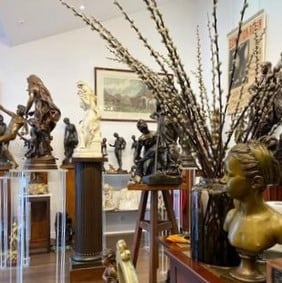
85, rue des Rosiers, Marché Biron - Stands 113, 114 & 115 Allée 1, 93400 SAINT-OUEN, France
carolinemiguet@icloud.com
+33 6 71 93 49 35

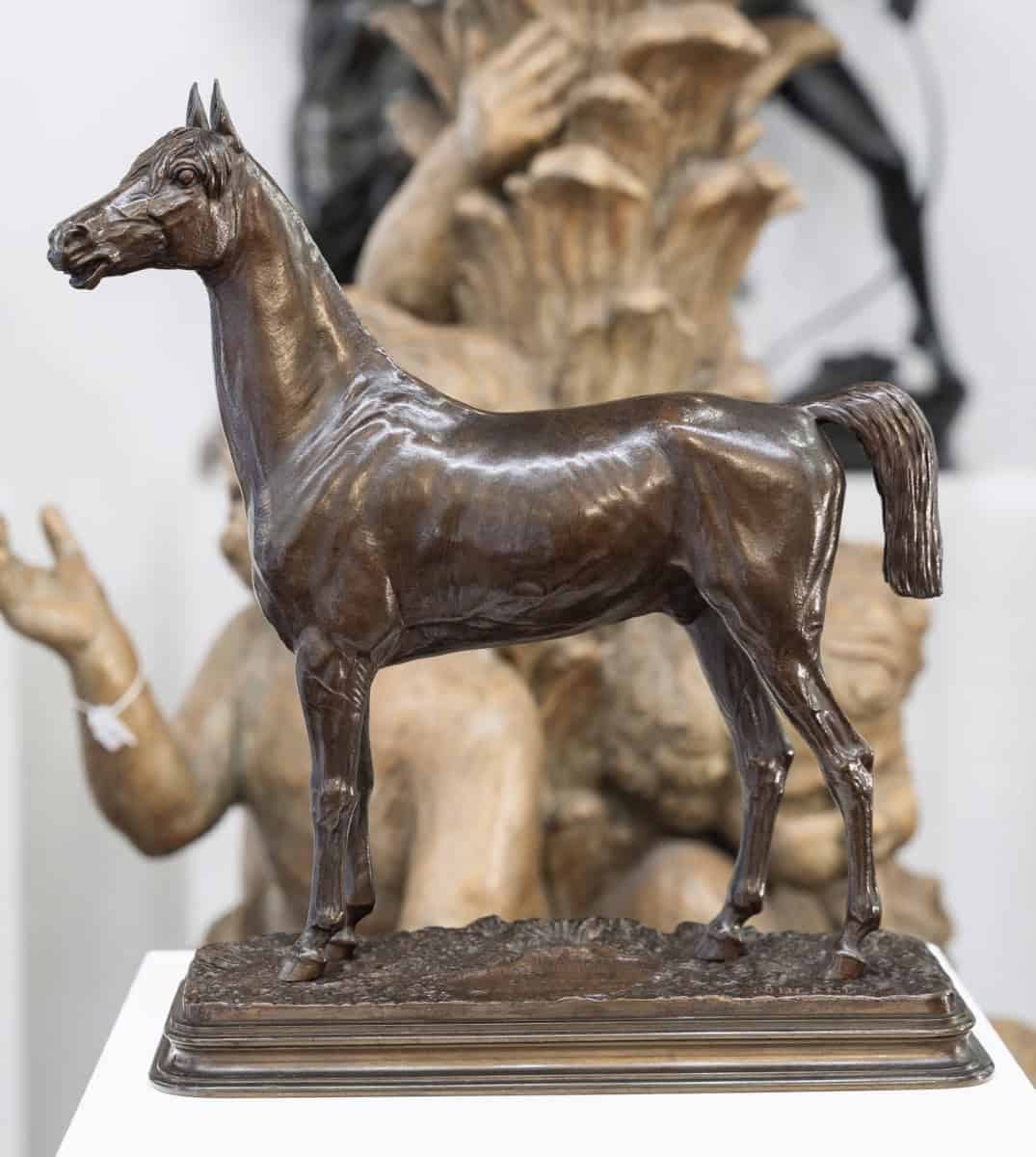
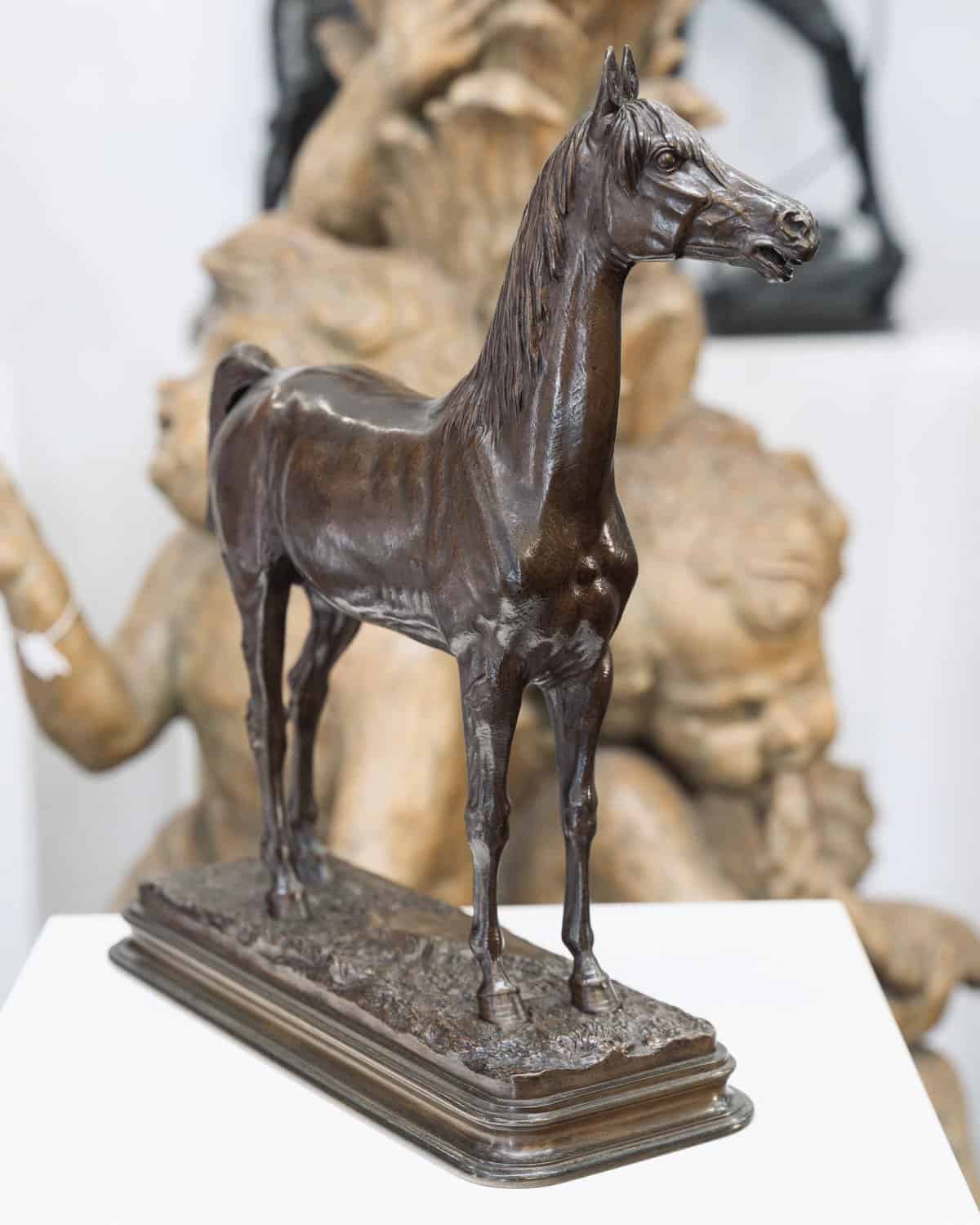
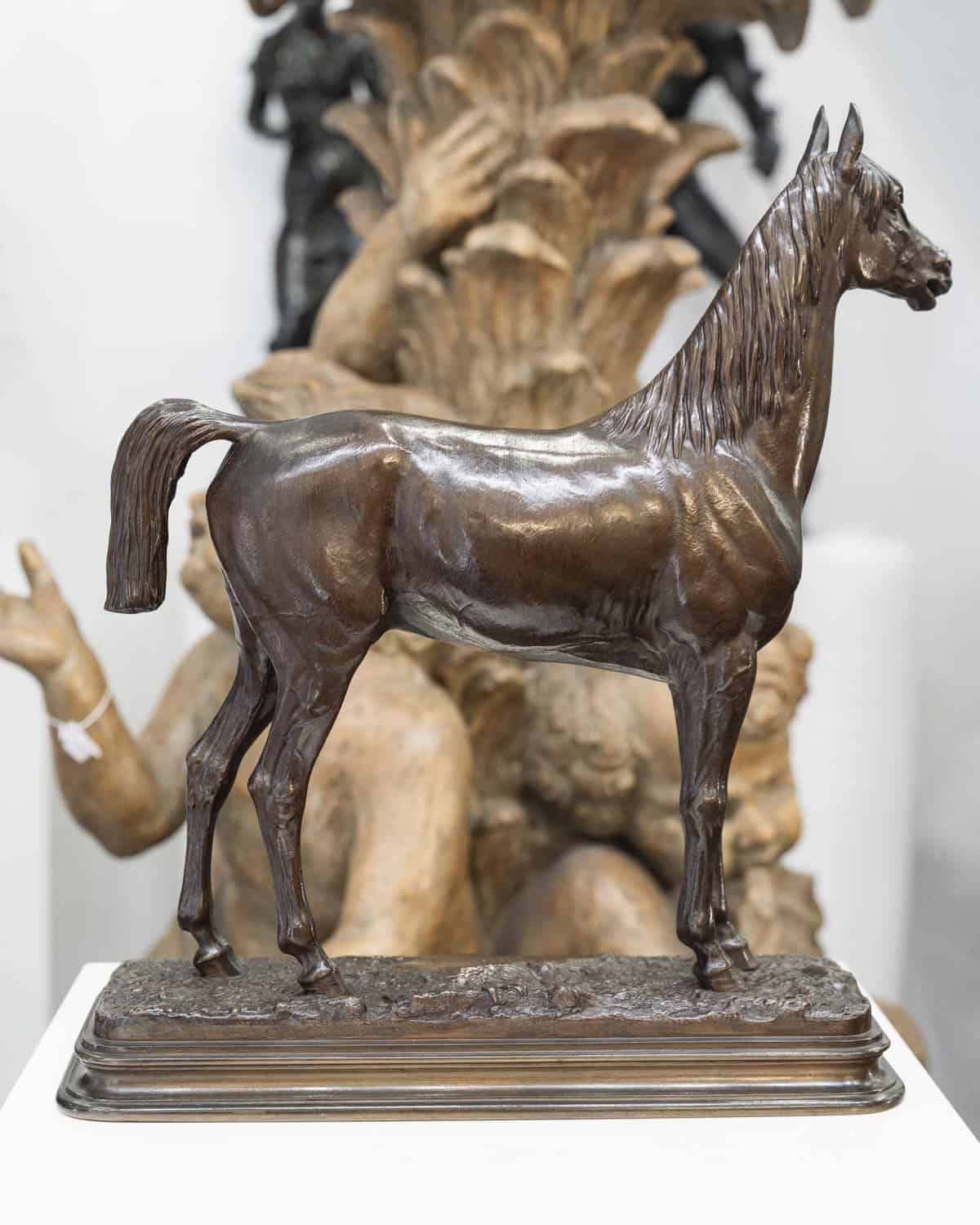
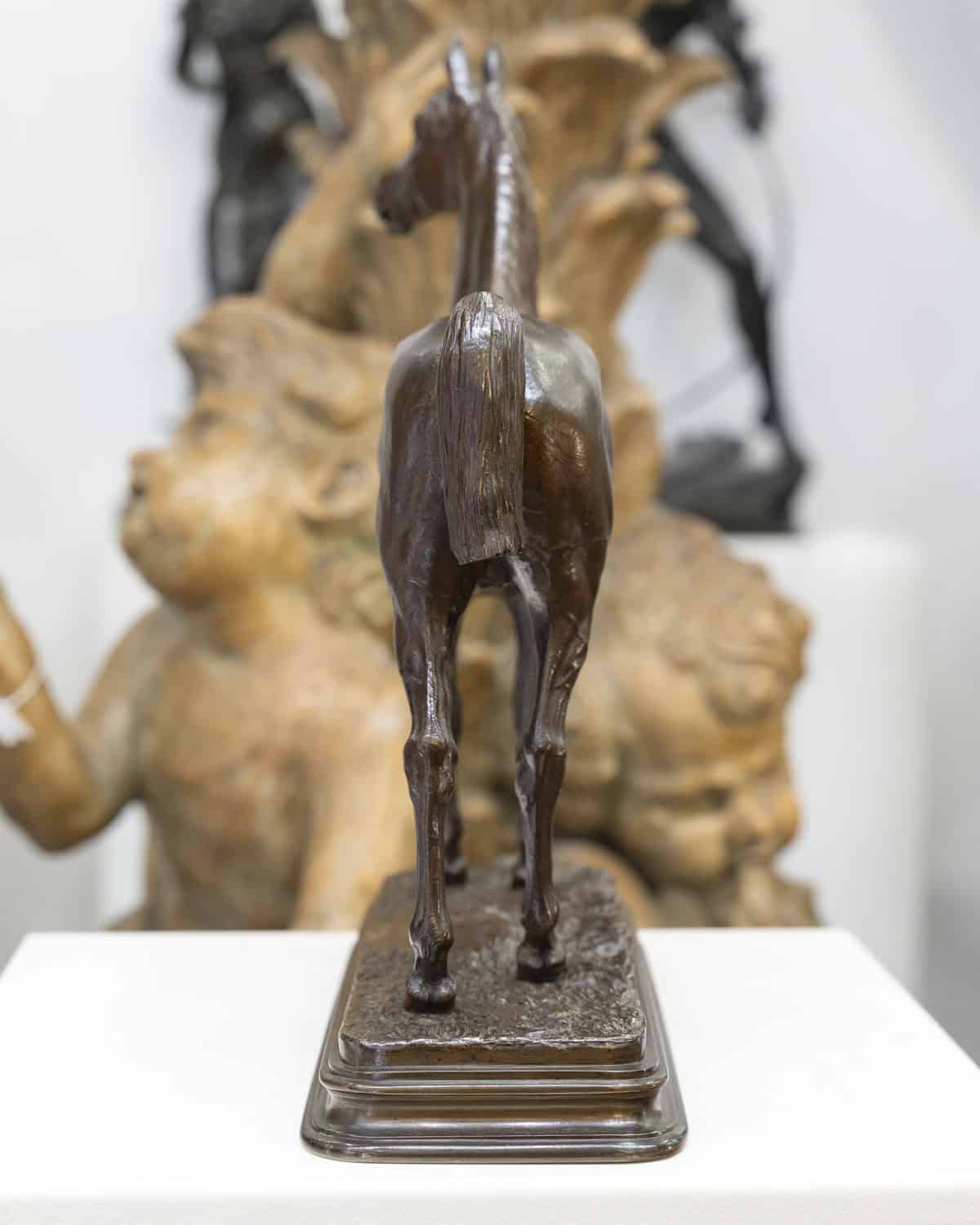
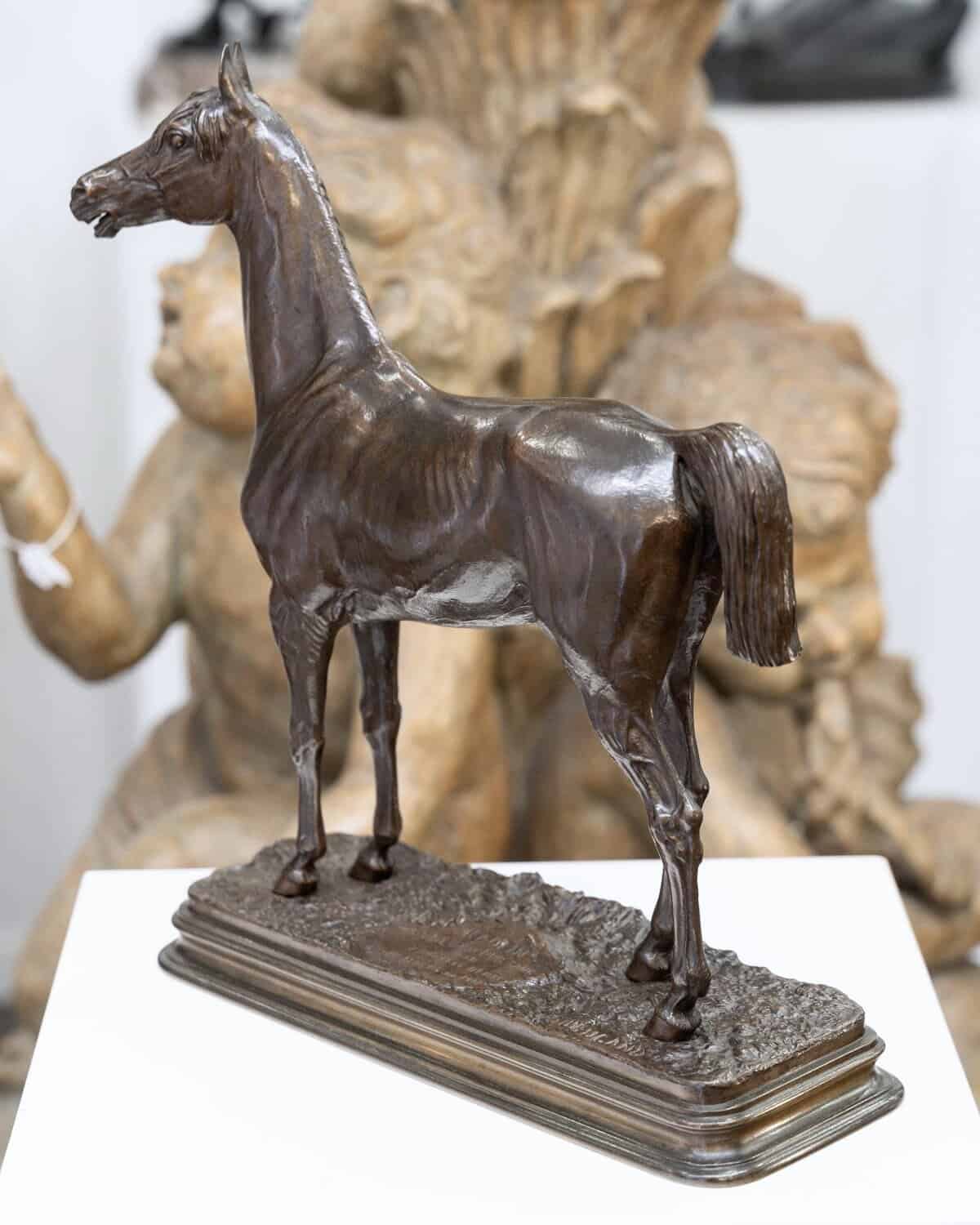
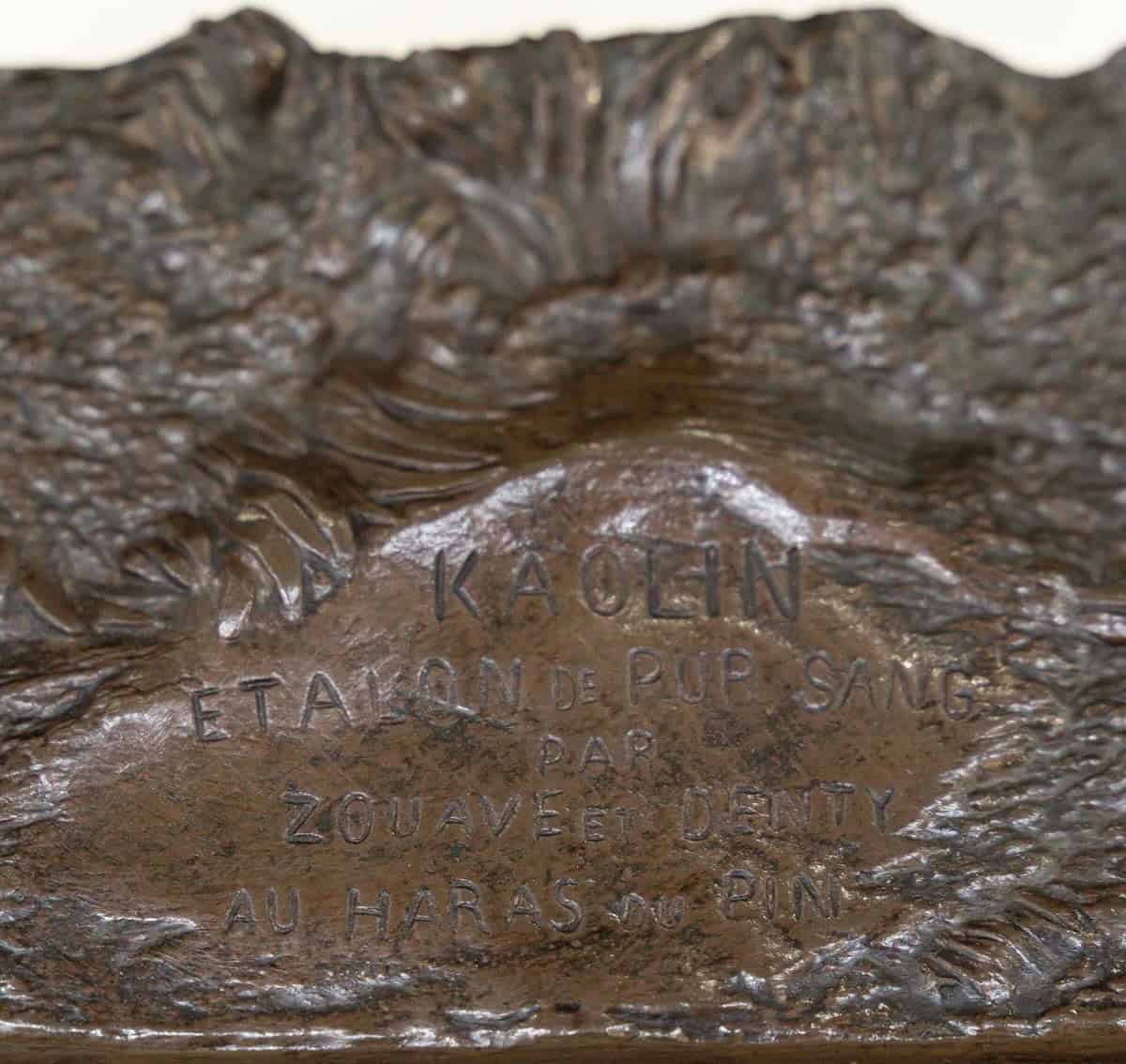
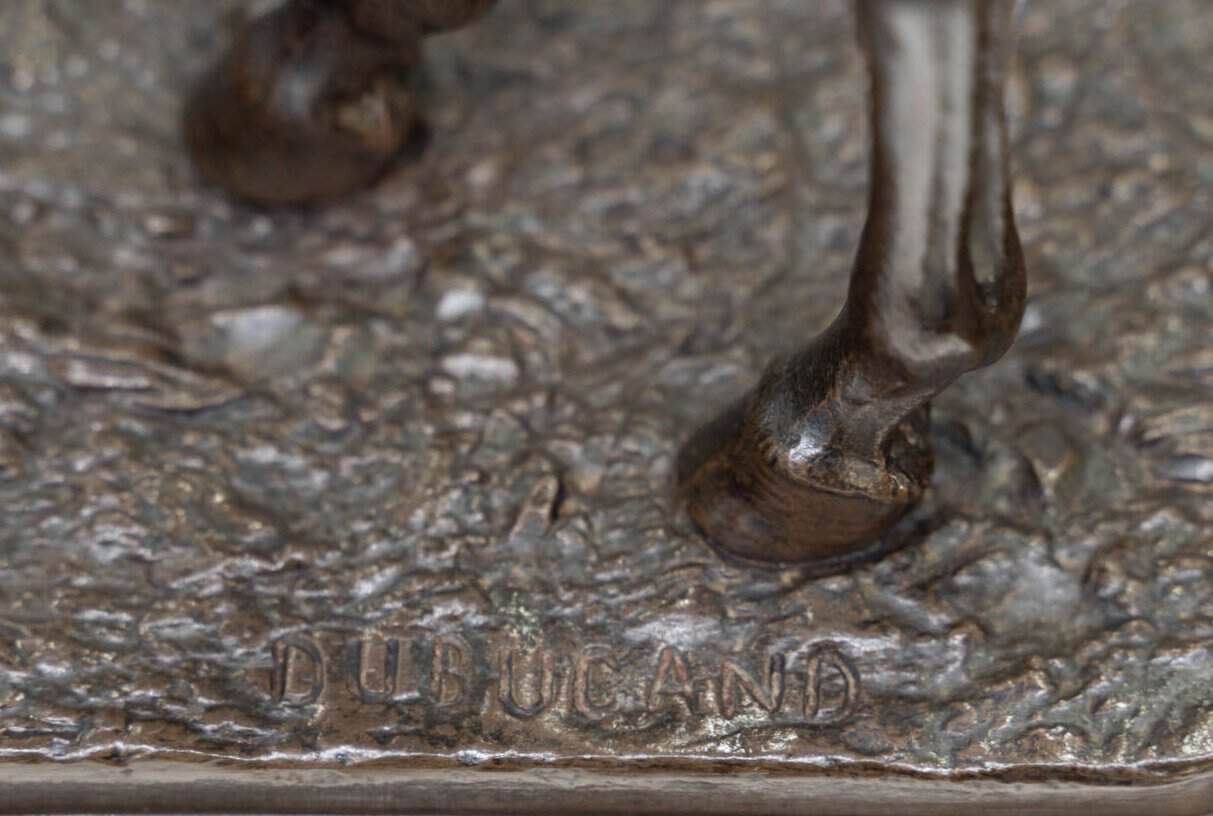
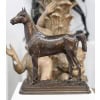
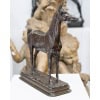
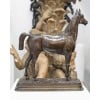
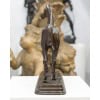
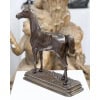
Alfred Dubucand (1828-1894)
Alfred Dubucand , célèbre sculpteur français , est né à Paris le 25 novembre 1828 .
Il a été l’un des élèves primés d’Antoine -Louis Barye (1795-1875) .
A . Dubucand fait ses débuts au Salon de 1867 .
Il a principalement modelé des groupes d’animaux , des cerfs , des chiens et des chevaux .
Il a fréquemment expérimenté les patines chimiques de ses bronzes , d’après l’enseignement d’Antoine-Louis Barye , qui a repoussé les limites avec ses patines vert foncé .
A.Dubucand porte une attention particulière aux détails anatomiques et à la justesse de mouvement de ses sujets .
Il modèle ses figures en cire ou en argile, puis les tire en bronze à la cire perdue ou au sable .
Un grand nombre de ses sculptures orientalistes représentent des scènes nord-africaines figurant des tribus et des nomades arabes avec des chevaux ou des chameaux .
Alfred Dubucand expose une dernière fois au Salon de 1883 avec son groupe de « Cavalier Et Femme Arabes A La Fontaine ».
Alfred Dubucand (1828-1894)
Alfred Dubucand , famous French sculptor , was born in Paris on November 25 , 1828 .
He was one of the prize-winning students of Antoine-Louis Barye (1795-1875) .
A.Dubucand made his debut at the Salon of 1867 .
He mainly modeled groups of animals , deer , dogs and horses . `He frequently experimented with chemical patinas for his bronzes , following the teaching of Antoine-Louis Barye , who pushed the boundaries with his dark green patinas .
A . Dubucand paid particular attention to anatomical details and the accuracy of movement of his subjects .
He modeled his figures in wax or clay, then cast them in bronze using the lost wax or sand casting method .
Many of his Orientalist sculptures depict North African scenes depicting Arab tribes and nomads with horses or camels .
Alfred Dubucand exhibited for the last time at the Salon of 1883 with his group of « Arab Horsemen and Women at the Fountain » .
| Lieux | Marché Biron |
|---|---|
| Siècle | XIXe siècle |
| Style | Napoléon III |
| Type d'Objet | Antiquités |